Shoulder Brace for Tendonitis and Inflammation Relief
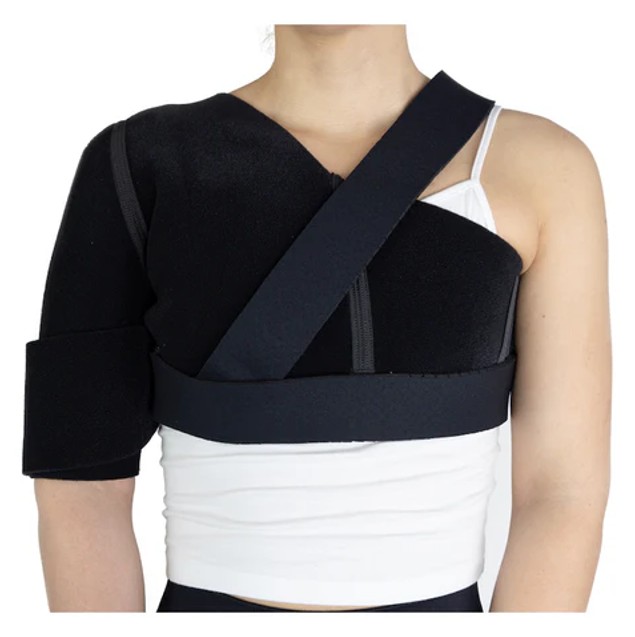
85% of new traumatic anterior shoulder instability events are glenohumeral subluxations. Furthermore, these account for 90% of all shoulder instability events within a young, active population as per the research paper on Protective Sport Bracing for Athletes With Mid-Season Shoulder Instability in NIH. A shoulder support belt is a supportive device designed to limit excessive movement. It is particularly in cases of recurrent instability, subluxation or dislocation while maintaining a restricted range of motion.
These devices stabilize the shoulder by restricting specific movements such as external rotation and abduction. A shoulder abduction brace for men and women is frequently utilized to prevent postoperative tears. It helps facilitate the healing of the repaired tendon. Furthermore, early range of motion (ROM) exercises are standard practice. When you use a shoulder abduction brace, the shoulder belt prevents shoulder contracture.
In this blog, we”ll study about shoulder brace for Tendonitis and Inflammation Relief.
Tendonitis and its Symptoms
Tendons are located throughout the body. It serves to connect muscles to bones within the joints such as the knees, elbows and shoulders. Tendonitis is the condition of inflammation in a tendon. It typically causes pain, swelling, redness, and reduced mobility near joints such as elbow, shoulder, or heel. The primary symptoms of tendonitis include:
- Difficulty moving the affected joint.
- Pain in a tendon that intensifies with movement.
- Swelling which may be accompanied by heat or redness.
- A grating or crackling sensation when moving the tendon.
Please note that if pain is sudden and severe following an accident or specific activity. It may indicate a torn or ruptured tendon. Especially if a popping or snapping sound was heard when the pain began.
Common Causes of Shoulder Tendonitis
The common causes of shoulder tendonitis. Understanding these factors is essential for you to get effective treatment. It also helps by preventing the condition from getting worse. Shoulder tendonitis is often caused by repetitive strain which gradually wears down the tendons.
Specific activities and factors that contribute to this include:
Activities which include throwing or lifting.
Positions that place stress on the shoulder joint.
Physical tasks that generally require significant exertion.
Especially those which involve frequent overhead movements.
Tendons naturally become less flexible as well as more prone to injury as we age.
Benefits of Shoulder Braces
Shoulder braces provide joint stability. It can limit range of motion to reduce pain and inflammation during the process of healing. These supports are frequently used in conjunction with physiotherapy. These shoulder braces for pain relief may be worn during sleep or exercise which depends on specific requirements.
Most of the individuals noticed a significant relief. It also helps with the accelerated recovery after using it on a daily basis. If you are planning to get a shoulder brace for tendonitis, just make sure to consult your doctor as it helps ensure it is appropriate for your specific condition.
What Features a Shoulder Support Should Have?
These are the features that you need to look for while selecting a shoulder brace.
Breathable Mesh Fabric
Enhances airflow in order to prevent sweat buildup.
Soft Padding Foam
Prevents skin irritation when you use it for a long period of time.
Hook-and-loop Fasteners
Adjust it in a proper manner to get a secure fit.
Hypoallergenic Neoprene Material
Lightweight, durable as well as flexible. It provides moisture-wicking properties as well as retains therapeutic heat.
Tips for Preventing Tendon Issues
These are the tips that you can follow for preventing tendon issues:
Do Warm ups Before Stretching: Just make sure you warm up before exercising as well as perform gentle stretches.
Wear Proper Footwear: It is very important to wear supportive shoes when you do workouts.
Take Quite Frequent Breaks: Be sure to take regular breaks especially when you do repetitive exercises.
Follow Proper Training: Always do proper training before beginning a new sport or activity. Make sure not to avoid overexercising fatigued muscles.
FAQs on Shoulder Brace for Tendonitis and Inflammation Relief
Can a shoulder brace be used for healing Tendonitis?
Shoulder braces are available in various forms. It includes wrist, knee, and ankle supports. Unlike shoulder splints which completely immobilize a body part, shoulder braces are designed to limit movement as well as maintain a neutral position. Utilizing a shoulder brace can really be particularly effective for managing tendonitis. It functions by restricting movement to prevent overexertion. Furthermore, braces provide joint protection and assist in reducing pain and swelling.
How long should I wear shoulder support?
A shoulder brace for effective shoulder pain management should typically be worn until the injury has healed. Pain reduction generally takes between a few days as well as several weeks. However, it is strongly recommended that you consult a medical professional for your recovery.
Can I sleep with my shoulder brace on?
It totally depends on a specific injury or condition. Healthcare providers may recommend wearing a shoulder brace when you sleep so that you can get support and stability. This practice can protect the affected joint and improve rest quality by minimizing discomfort. Shoulder supports and braces highly assist in injury management. It functions by offering pain relief, prevention, and recovery aid.
What are rotator cuff braces for men and women?
The rotator cuff muscles and tendons are essential to provide shoulder stability. These pain relief shoulder belts are frequently prone to injuries from repetitive motions. These are common in sports such as swimming, baseball as well as tennis. For those who are experiencing shoulder pain following, a rotator cuff brace for pain management can stabilize the affected muscles as well as limit excessive motion. This support facilitates tissue healing while allowing for the safe maintenance of light activity.