Analysing La Liga Teams That Have Just Changed Coach
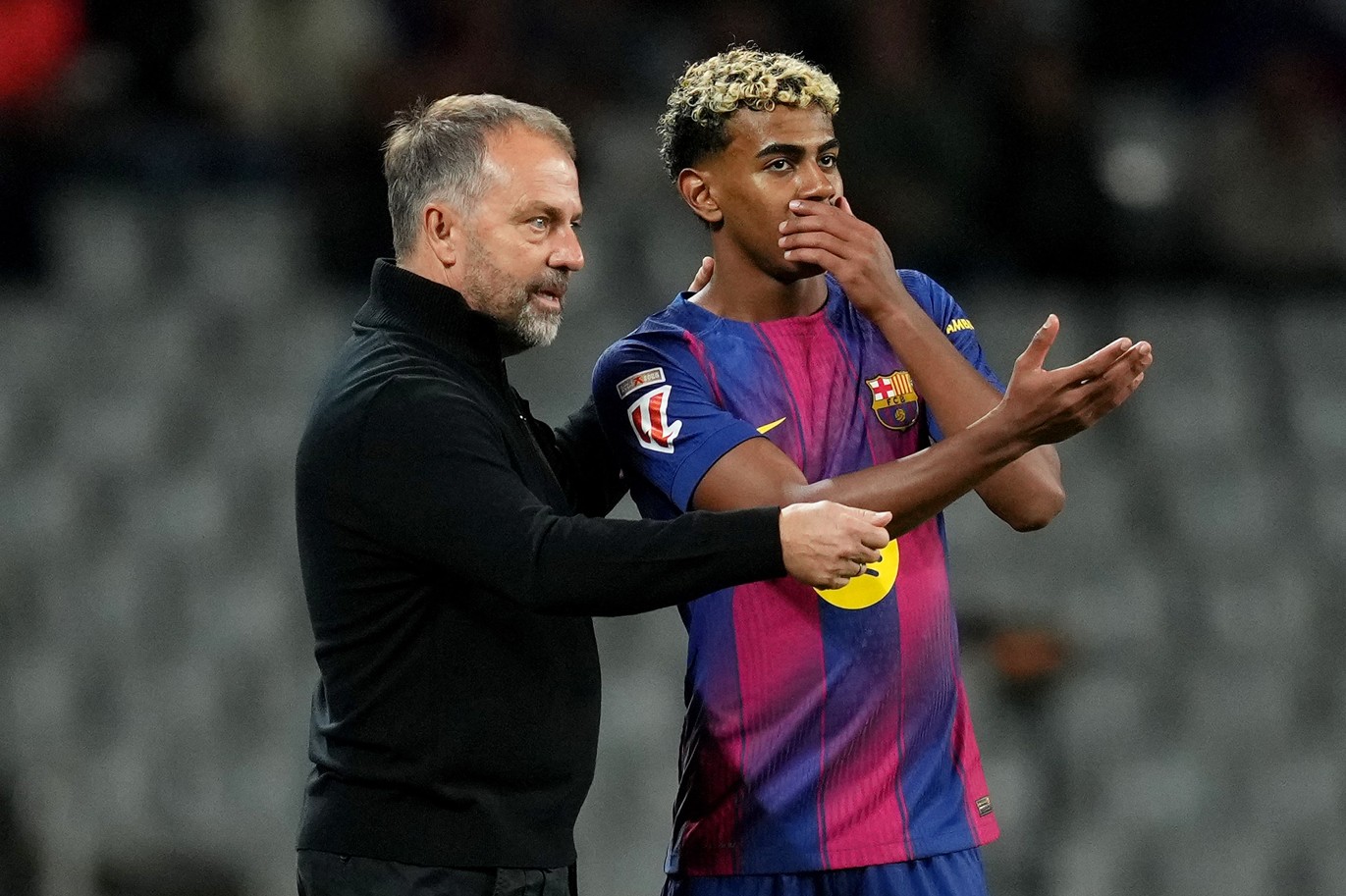
When a La Liga club appoints a new head coach, the obvious storyline is the “new manager bounce,” but the deeper interest lies in how tactics, roles, and underlying numbers shift over the first 5–10 games. Examining those changes carefully helps distinguish short-term emotional lift from structural improvement, which matters for both performance analysis and betting decisions.
Why La Liga Clubs Turn to New Coaches Mid-Cycle
Managerial changes in La Liga usually arrive when results and underlying metrics diverge sharply from club expectations, either because performances are genuinely poor or because decision-makers misread a short-term slump. Historical overviews show multiple coaching changes each season, often clustering around early autumn and the winter break when league tables start to solidify.
The decision to sack a coach typically follows sustained underperformance relative to wage bill, recent finishes, or expected points models, with clubs attempting to avoid relegation or revive stalled European bids. That cause–effect chain—results slump, pressure from fans and media, new appointment—sets the stage for tactical upheaval and a fresh data baseline on which analysts must quickly recalibrate.
What the “New Manager Bounce” Tells You—and What It Doesn’t
Research across top leagues indicates that most teams experience at least a short-term uplift in points after changing manager. One broad study found that around 70–75% of clubs collected more points in the first five games under a new boss than in the previous five, with average returns close to two wins in five over that initial stretch.
However, the same sources emphasise that this bounce often fades, with longer-term performance converging toward underlying squad quality rather than remaining at the initial spike. In other words, early post-appointment results often mix genuine tactical tweaks with regression toward the mean, so treating the first few matches as a permanent new level is a classic analytical error.
How Tactical Identity Typically Shifts After a Coaching Change
A new La Liga coach rarely tweaks only minor details; appointment articles for 2025–26 describe several clubs explicitly targeting stylistic shifts, from more proactive pressing to more cautious mid-block structures. At Alavés, for instance, Eduardo Coudet’s arrival was linked to a more front-foot approach after survival under a previous regime, while Sevilla’s move for Matías Almeyda came with expectations of higher-intensity play and renewed verticality.
These changes manifest quickly in metrics such as passes per defensive action (PPDA), high turnovers, and direct speed upfield. A coach favouring aggressive pressing will usually reduce opponents’ build-up passes and increase turnovers in advanced zones, while a more conservative replacement tends to lower total shot counts at both ends, trading chaos for control. Observing these directional shifts is more instructive than fixating on the immediate win–loss record.
Mechanism: From Appointment to On-Pitch Behaviour
When a new coach arrives, the first steps often involve simplifying structures—clarifying pressing triggers, rest-defence positions, and build-up patterns—to gain quick buy-in. Training blocks in the first international break or congested week are spent on core automatisms rather than elaborate schemes, because early results are politically and psychologically crucial.
As players internalise these basics, early improvements in spacing and compactness can produce better defensive numbers and more coherent transitions, even if attacking fluency lags behind. Over time, more complex rotations and patterns are layered onto this base, which is why early games under a new coach can show defensive stabilisation before sustained attacking evolution, a sequence that should influence expectations on totals and handicap margins.
Reading Early Performance Data of Newly Coached Sides
To assess new-coach La Liga teams, the most informative approach is to compare key metrics from the last 5–10 matches of the previous regime with the first 5–10 under the new one. League and data portals tracking xG tables and performance trends allow quick side-by-side inspection of xG for, xGA, and points per game before and after the change.
Three dimensions usually matter most in those comparisons:
- Chance quality: Changes in xG for and xG against per match indicate whether shot quality and defensive solidity are actually shifting.
- Territory and pressing: PPDA, field tilt, and high turnovers show whether the team’s defensive line and pressure strategy have changed meaningfully.
- Game state management: Goal timing tables reveal whether a new coach has improved the ability to protect leads or avoid late collapses.
Focusing on these dimensions helps separate cosmetic bounces driven by finishing streaks from deeper structural improvements that are more likely to sustain beyond the initial honeymoon.
Practical Signals to Track Across Different New-Coach Archetypes
Not all new-coach situations look the same; La Liga’s 2025–26 landscape showcases several distinct archetypes. Some clubs, like Alavés and Levante, approached new appointments with survival and consolidation in mind, emphasising defensive structure and transition safety, while others, including major names under new management, were aiming to refresh stale attacking systems without sacrificing results.
A useful way to think about these archetypes is to align their context with expected short-term vs long-term effects on the data:
| New-coach context | Short-term tactical priority | Likely early statistical signature |
| Relegation-threatened side | Tighten defence, simplify structure | xGA falls, shot volume at both ends drops |
| Underperforming big club | Sharpen pressing, speed up attack | Higher xG for, more turnovers, potentially volatile xGA |
| Promoted club adjusting up | Balance ambition with pragmatism | Mixed: more pressing in some games, cautious blocks in others |
Understanding which category a new La Liga coach belongs to helps set realistic expectations. A relegation-focused appointment is unlikely to trigger immediate goal-heavy performances, whereas a major club’s high-profile hire may accept higher variance in the short run while imposing a more expansive style.
Integrating “New Coach” Context into UFABET-Oriented Betting Decisions
Whenever someone assesses La Liga coupons that feature a team with a recently appointed coach, the temptation is either to blindly back the bounce or to fade it based on skepticism. A more grounded approach starts by quantifying how underlying numbers—xG differential, shot balance, and defensive organisation—have moved under the new regime over a small but comparable set of matches. When this data shows genuine defensive tightening or attacking improvement that is not yet fully reflected in odds, the edge becomes clearer. In that sense, a bettor examining prices and markets made available through a sports betting service such as ufabet เข้าสู่ระบบ can use new-coach status as a flag to investigate deeper metrics, rather than as a trade signal on its own, aligning stakes with measurable changes instead of narrative alone.
Where New Manager Narratives Break Down in La Liga
The idea that a new coach automatically transforms a struggling La Liga side is appealing but frequently overextended. Studies on managerial turnover indicate that, while the first five matches often show improvement, medium-term performance often drifts back toward the level implied by squad quality and financial strength, especially for clubs near the bottom.
There are also cases where early results deteriorate before improving, as coaches attempt to overhaul structure rather than patch symptoms. Without recognising this pattern, observers may label an appointment a failure too early or misjudge a temporary bounce as proof of permanent transformation. Treating managerial change as one input among many—rather than a full reset button—reduces the risk of overreacting to a handful of matches.
Using New-Coach Information When Comparing casino online Contexts
The extent to which a betting environment exposes contextual data about coaching changes heavily influences how well informed its users can be. When someone evaluates an online betting site that surfaces coach profiles, recent managerial changes, and pre-/post-appointment form graphs alongside La Liga odds, it becomes far easier to connect narrative events to performance data. In that context, being able to quickly see how a team’s xG, goal difference, and points per game shifted after a new coach arrived turns “they’ve just changed manager” from a vague storyline into a quantifiable factor, guiding whether to trust an early bounce, wait for more evidence, or treat the change as already priced into the market.
Summary
La Liga teams that have recently changed coach present both analytical challenges and opportunities, because the same event—an appointment—can lead to genuine structural improvement or only a short-lived emotional bounce. League and data sources on managerial changes, xG tables, and tactical trends show that early upticks are common, but long-term trajectories still hinge on squad quality and tactical fit. For analysts and bettors, the edge lies in tracking how new coaches alter chance creation, defensive solidity, and game-state management, then judging whether markets have fully adjusted to those measurable shifts.