Houston Car Crash Victims: Understanding Liability in Multi-Vehicle Accidents
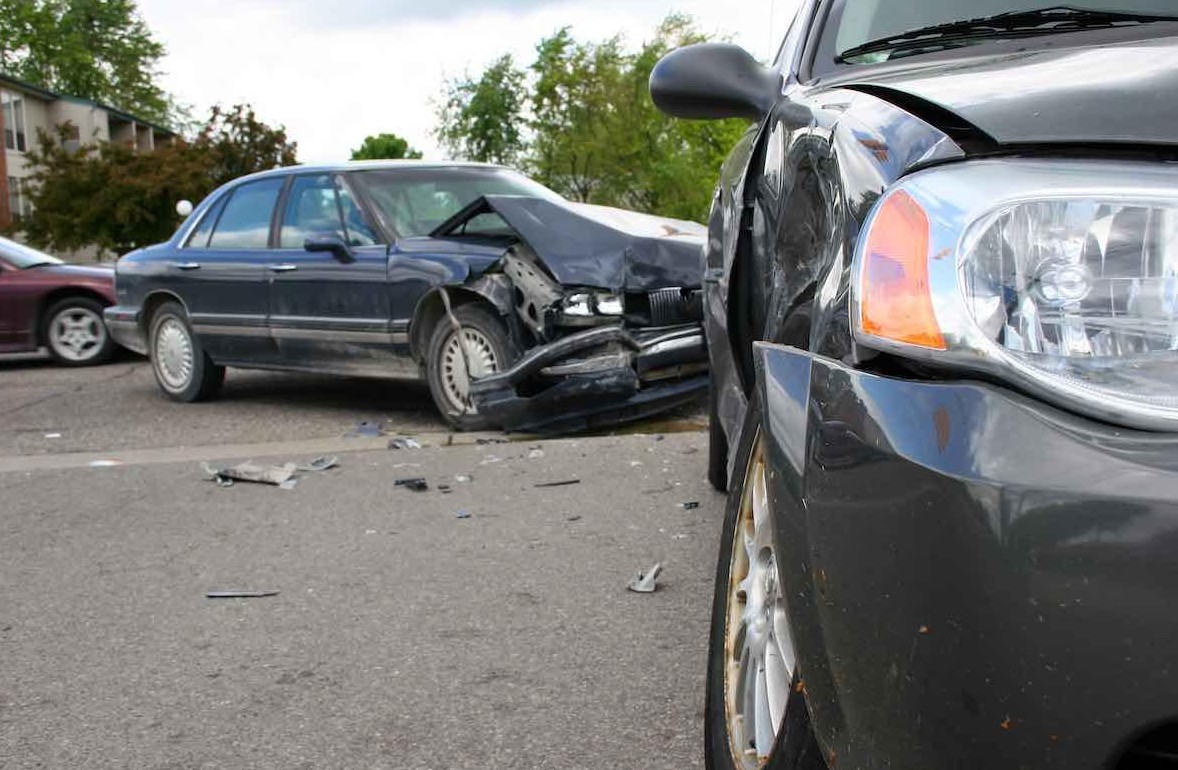
A multi-vehicle crash looks messy because it is messy. One impact leads to another, then another, and within seconds nobody is sure who started it. That is the hard part for crash victims in Houston. Fault may seem obvious at first. Later, insurance adjusters often tell a very different story. One driver brakes late. Another follows too closely. A third swerves. By the time police arrive, each driver has a version that sounds right. Let me explain why these cases often take longer.
When three cars crash, blame rarely stays simple
A two-car wreck usually points to one clear event. A chain crash does not. Picture traffic on Interstate 45 during rush hour. One car taps another. A pickup hits both. A fourth driver clips the side while trying to avoid it. It feels like dominoes on a kitchen table. The first hit matters, but it is not the whole story. Each driver’s speed, lane choice, reaction time, and distance all matter. A person who did not cause the first impact may still share fault for making the damage worse. That surprises many people.
Texas does not always blame one person
Under Texas law, fault can be split. That means one driver may hold 60 percent of blame. Another may hold 25 percent. A third may hold 15 percent. Money follows those numbers. If a victim is found partly at fault, the payment drops by that share. If fault reaches over half, payment can stop entirely. That is why insurance calls feel polite at first, then oddly sharp later. They are building percentages. And yes, wording matters. A simple line like “I didn’t see them” can hurt more than people expect.
The first crash is not always the legal cause
People often think the first car to hit must pay for all damage. Sometimes that happens. Sometimes it does not. A rear-end crash usually points toward the rear driver. Still, if the front car had no brake lights, the picture shifts. A lane change can trigger the first contact, yet another driver may have been speeding too fast to stop. It sounds unfair until you picture a crowded grocery line. If one person stumbles, but three others shove forward, blame spreads. That same idea appears in traffic law.
Proof matters more than memory
After a pileup, memory fades fast. Engines smoke. Phones ring. People are shaken. A witness says one thing, then later says another.
The strongest proof often includes:
- Photos from several angles
- Dash camera clips
- Police notes
- Skid marks
- Vehicle damage patterns
- Medical records started the same day
Even small details help. A broken headlight. A lane marker. Rain on the road. You know what? Even the sound of impact can matter when experts rebuild the order of hits.
Insurance companies look for gaps
A multi-car claim costs money, often a lot of it. That means insurers check every detail. They compare repair reports, timing, injury records, and driver statements. If stories do not match, they push back. One insurer may blame another company’s driver. That company then points somewhere else. Meanwhile, the injured person waits. This is where a Houston personal injury lawyer often steps in—sorting records, speaking with adjusters, and protecting details before they get twisted. For victims in Houston, firms like Schechter, Shaffer & Harris, LLP – Accident & Injury Attorneys often handle cases where several drivers, several insurers, and several claims all collide at once.
Why medical care should not wait
Some injuries hide early. A sore neck may feel small after a crash. By morning, it can lock up hard. Back pain often shows later too. That delay creates a problem. Insurance companies may argue the injury came from something else. A quick medical visit creates a time stamp. It ties pain to the wreck. That one step often matters more than people think.
Trucks, weather, and city traffic make Houston pileups harder
Not every multi-car crash involves only small cars. A delivery truck, rideshare driver, or work van changes the case. Commercial drivers may carry larger insurance policies. Their employers may also hold records on hours, routes, and vehicle checks. Rain adds another layer. In Houston, wet roads can turn one small brake tap into five damaged vehicles. And oddly enough, clear weather causes many pileups too—because speed climbs when roads look safe.
A lawyer often finds what drivers miss
Crash victims usually notice pain, damage, and stress first. Lawyers notice timing. Who called first? Which insurer asked for a statement? When did treatment begin? Was there road camera footage nearby? Those details shape the claim. A firm like Schechter, Shaffer & Harris, LLP – Accident & Injury Attorneys often reviews those pieces before fault gets pinned too early. That matters because once blame sticks, it gets harder to move.
FAQs
1. Who pays in a multi-vehicle accident if several drivers caused it?
Payment may come from more than one insurer. Each driver can pay based on fault share. If two drivers caused the crash, both policies may cover part of the loss.
2. Can I still recover money if I was partly at fault?
Yes, if your share stays under 51 percent in Texas. Your payment drops by your fault share.
3. Should I speak to the other driver’s insurance company?
You can, but keep answers short and factual. Do not guess. Small guesses often become written blame later.
4. What if the crash involved a company vehicle?
That may bring in employer liability too. A company may share blame if its driver worked at the time.
5. How soon should I call a lawyer after a chain collision?
Sooner is better. Early legal practice helps protect proof, especially video, witness names, and vehicle records before they disappear.