The Psychology of Frictionless Rewards: How Mobile Micro-Billing is Reshaping Digital Leisure
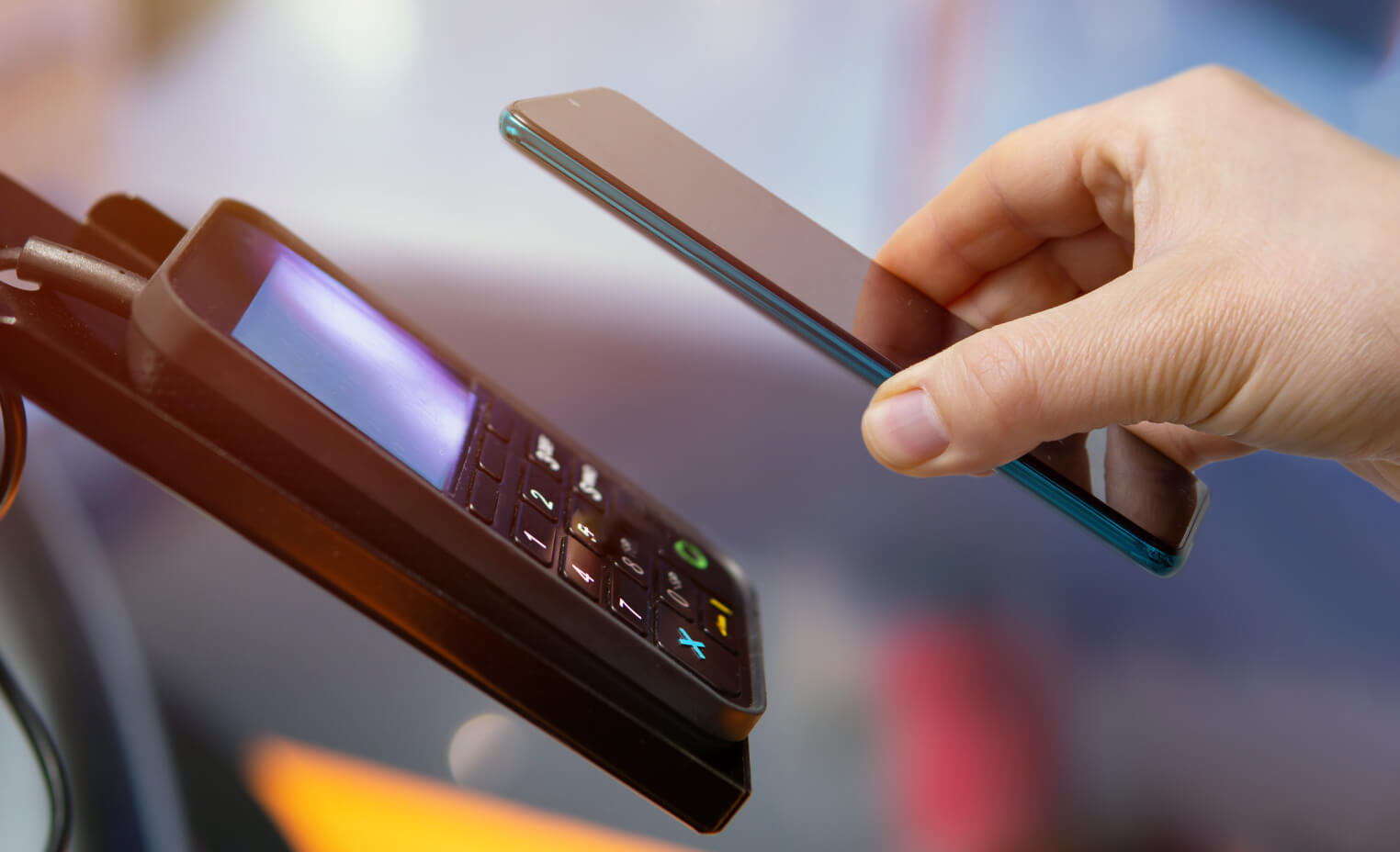
The human brain is hardwired to seek efficiency and avoid friction, especially when it comes to leisure activities. In the digital age, the interval between a desire and its gratification has shrunk to mere seconds. As online entertainment alternatives multiply, platform architecture has shifted away from complex setups toward ultra-streamlined experiences. A major, yet often overlooked, catalyst in this evolution is the psychology behind payment mechanisms. Traditional payment methods introduce a psychological barrier known as the “pain of paying.” Conversely, modern alternative billing systems are turning digital engagement into a frictionless, guilt-free experience.
For the modern consumer, entertainment is no longer an occasional destination; it is a continuous, integrated part of daily micro-breaks. Whether waiting for a train, commuting, or relaxing for a few minutes between tasks, users demand instant access to interactive platforms. However, when a platform requires complex registration, identity verification, or credit card inputs just to access a casual game, the psychological momentum is broken. The integration of telecommunication balances as a direct funding source has completely dismantled this friction, creating a seamless loop of instant reward.
The Neurological Advantage of Instant Access
From a behavioral economics perspective, the traditional process of entering credit card details or logging into a secure bank portal acts as a cognitive speed bump. It forces the user to actively reflect on their spending, triggering a minor stress response associated with financial depletion. Mobile billing entirely circumvents this psychological roadblock. By allowing users to fund their entertainment using existing prepaid mobile airtime, the transaction feels less like an out-of-pocket expense and more like utilizing an existing, pre-allocated resource.
This shift in consumer perception has fueled a massive wave of engagement across mobile-centric platforms. For example, systems that leverage a Slot Pulsa model inherently appeal to this psychological preference for immediacy. When a user can convert standard mobile network credits into an active gaming session with a single tap, the brain bypasses the typical hesitation associated with digital transactions. The reward loop is tight, efficient, and highly satisfying, aligning perfectly with the short attention spans and fast-paced lifestyles of contemporary digital audiences.
+———————————————————–+
| The Frictionless Reward Loop |
+———————————————————–+
| Desire -> Single-Tap Airtime Deduct -> Instant Access |
| (No Card Inputs | No Bank Logins | Zero Cognitive Friction)|
+———————————————————–+
Micro-Transactions as a Tool for Mindful Budgeting
While critics historically viewed micro-transactions with skepticism, modern consumer behavior reveals an interesting counter-narrative: low-threshold mobile payments actually serve as a practical tool for self-imposed budgeting. When utilizing a traditional credit card linked to a large credit limit, it is incredibly easy for a user to lose track of cumulative spending, leading to “billing shock” at the end of the month.
Prepaid mobile balances, by their very nature, possess strict physical limits. A user can only spend what they have already loaded onto their SIM card. This built-in financial ceiling completely changes the user experience. It allows casual gamers to explore various platforms through highly accessible entry tiers like Slot Pulsa 5000, knowing exactly that their financial exposure is strictly capped at a minimal, nominal value.
This creates a sense of psychological safety. The user feels in total control of their entertainment budget. They can indulge in premium graphics, interactive UI layouts, and the thrill of casual gaming without the underlying anxiety of overspending. It transforms the digital activity from a potential financial hazard into a controlled, affordable luxury.
Enhancing UX Through Cognitive Comfort
In the realm of User Experience (UX) design, cognitive load refers to the total amount of mental effort being used in the working memory. A high cognitive load leads to user fatigue, frustration, and eventual abandonment of the application. Traditional digital entertainment checkouts are notorious for high cognitive loads, requiring multi-step verification, CAPTCHAs, and card validation codes.
Integrating carrier billing simplifies the backend communication to a basic exchange between the platform and the telecom operator. For the user, the interface remains clean, minimalist, and entirely non-intrusive.
- Minimalist Layouts: No cluttered forms asking for billing addresses or full legal names.
- Streamlined Verification: Secure, automatic background handshakes between the network and the server.
- Instantaneous Feedback: Real-time updates to the user’s token balance without page refreshes.
This technical simplicity directly translates into psychological comfort. When the interface respects the user’s time and mental energy, a deeper level of brand loyalty and platform trust is established. The user subconsciously associates the platform with relaxation and ease, rather than logistical hassle.
The Societal Impact of Democratic Entertainment
Beyond individual psychology, the macro-economic implications of this payment shift are profound. In many developing regions, a vast majority of the adult population remains unbanked or underbanked. Yet, almost every individual owns a smartphone powered by a prepaid SIM card. Limiting digital entertainment to legacy financial networks effectively locks out millions of potential consumers from the global digital economy.
Mobile airtime integration acts as a powerful equalizer. It democratizes access to high-quality software, interactive entertainment, and community-driven digital hubs. By turning a ubiquitous utility—mobile credit—into a viable digital currency, developers are tapping into an energetic, highly enthusiastic demographic that was previously invisible to mainstream digital commerce.
[Unbanked Population] + [Prepaid Smartphone] = [Full Access to Digital Economy]
Conclusion: The Architecture of Future Digital Spaces
The future of digital entertainment relies heavily on removing barriers between the consumer and the content. As virtual environments become more immersive, any payment mechanism that forces a user to step away from the screen, find a physical wallet, and type in a string of digits will become obsolete.
The roaring success of airtime-based ecosystems proves that convenience, privacy, and psychological comfort are the ultimate currencies of the modern internet. By prioritizing low-barrier payment gateways, platform developers are not just optimizing their conversion rates—they are fundamentally aligning with the natural psychological inclinations of the modern, mobile-first consumer.