How to Conduct Safe and Effective Online Deposit Transactions for Beginners
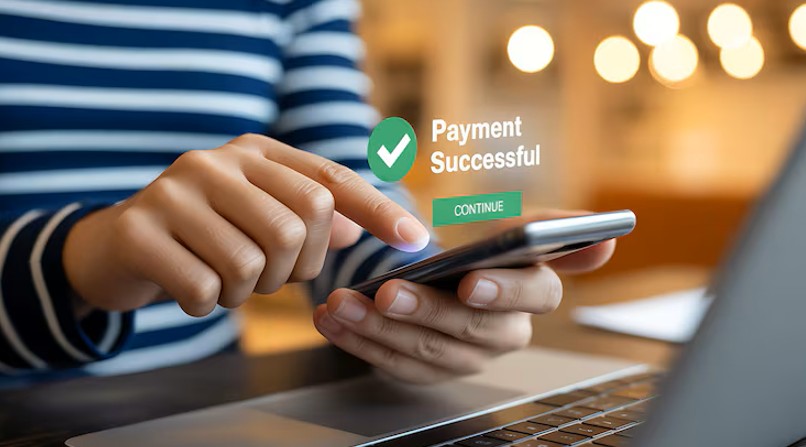
The transition toward a cashless society has made digital transactions an essential part of daily life. From paying monthly bills to funding various online accounts, the ability to deposit money digitally offers unmatched convenience. However, for beginners, navigating the digital payment landscape can sometimes feel overwhelming due to security concerns and unfamiliarity with payment gateways. Understanding the fundamental principles of secure digital payments is the first step toward masterfully managing online transactions.
Understanding Your Payment Options
Before initiating any online transaction, it is crucial to understand the payment channels available. Modern digital platforms offer a wide array of options, including credit cards, bank transfers, virtual accounts, and electronic wallets. Each method has its own processing time and level of convenience.
For beginners looking for a seamless experience, QR code payments have revolutionized the way transactions are processed. In various digital platforms, the integration of Slot Qris as a payment gateway has simplified the process significantly. By utilizing a standardized quick response code, users can complete deposits instantly using their mobile banking or e-wallet apps, eliminating the risk of manual input errors such as typing the wrong account number.
Starting with Minimal Risk
When utilizing a new platform or digital service for the first time, financial caution is paramount. It is highly recommended to start with the smallest allowable amount to test the platform’s reliability, processing speed, and user interface.
Safety Rule: Never deposit large sums of money into an unverified or newly registered account.
Many modern digital services cater to this cautious approach by offering micro-payment thresholds. For example, some platforms allow users to test the system with a minimum limit of Slot Depo 5000, enabling beginners to familiarize themselves with the transaction flow without risking significant capital. Once the initial small deposit successfully clears and reflects in the account balance, users can gradually proceed with larger transactions with peace of mind.
Verifying Platform Legitimacy and Security
The security of an online transaction relies heavily on the safety protocols of the host website or application. Before entering any sensitive financial data, users must verify that the platform uses industry-standard encryption.
This can be checked by looking for the padlock symbol in the web browser’s address bar, which indicates an active HTTPS connection. Additionally, users should avoid conducting financial transactions over public Wi-Fi networks, as these networks are highly susceptible to data interception by unauthorized third parties. Utilizing a secure, private cellular network or home Wi-Fi is always the safer choice.
Protecting Personal Data and Accounts
Securing the payment source is just as important as choosing a secure platform. Beginners should actively implement basic security habits, such as enabling two-factor authentication (2FA) on all financial applications.
Whether it is an SMS-based One-Time Password (OTP), biometric authentication, or an authenticator app, this secondary layer of security ensures that unauthorized individuals cannot initiate transactions even if they obtain the account password. Furthermore, transaction receipts, confirmation emails, and digital screenshots should always be archived systematically until the deposited funds have been successfully credited to the destination account. This documentation serves as vital evidence in the rare event of a system latency or communication error between banking servers.